











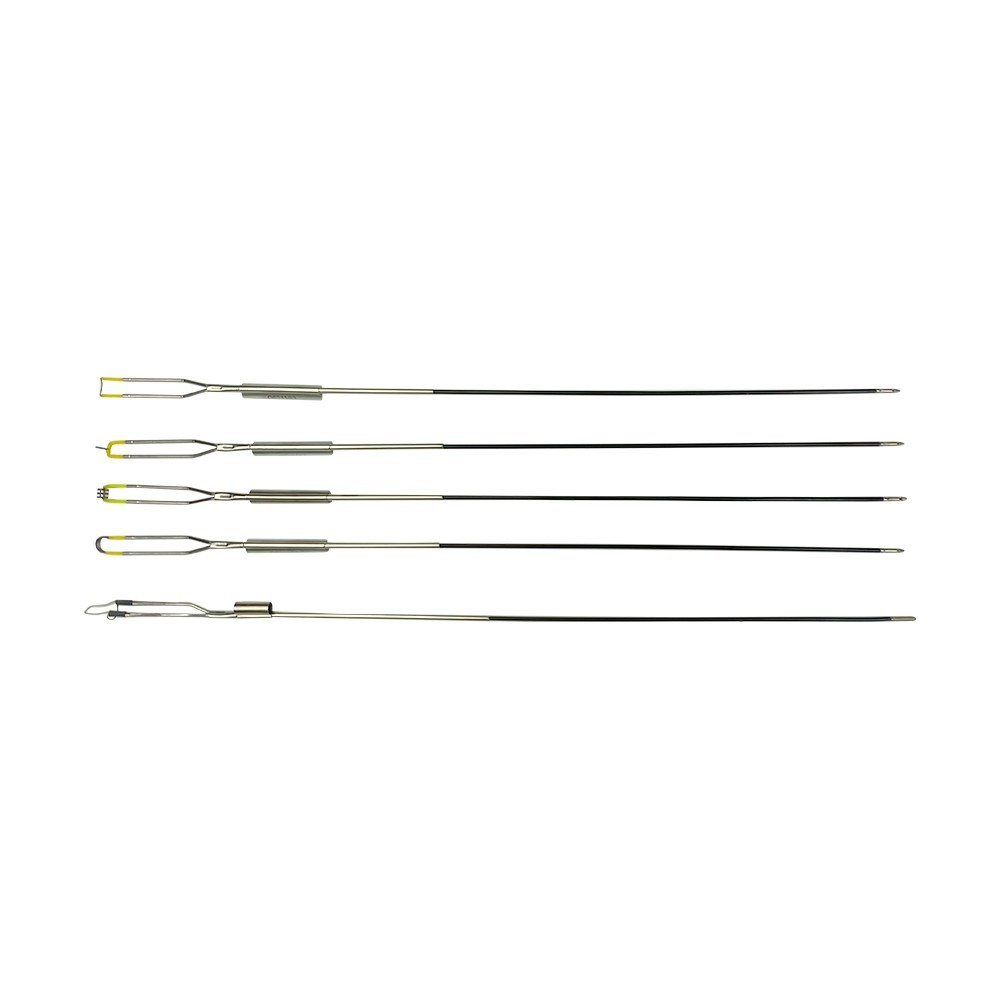
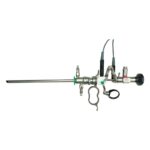

Camjoy Urology Resectoscope Electrodes
✔ 18.5Fr to 27Fr System Compatibility
✔ 9 Distinct Tip Geometries
✔ Anti-Carbonization Tungsten
The Critical Interface of Endoscopic Surgery
In electrosurgery, the generator provides the power, but the Electrode defines the outcome. The Camjoy Urology Electrode portfolio is engineered to deliver pristine energy transmission for cutting, coagulating, and vaporizing tissue during Transurethral Resection of the Prostate and Bladder Tumors.
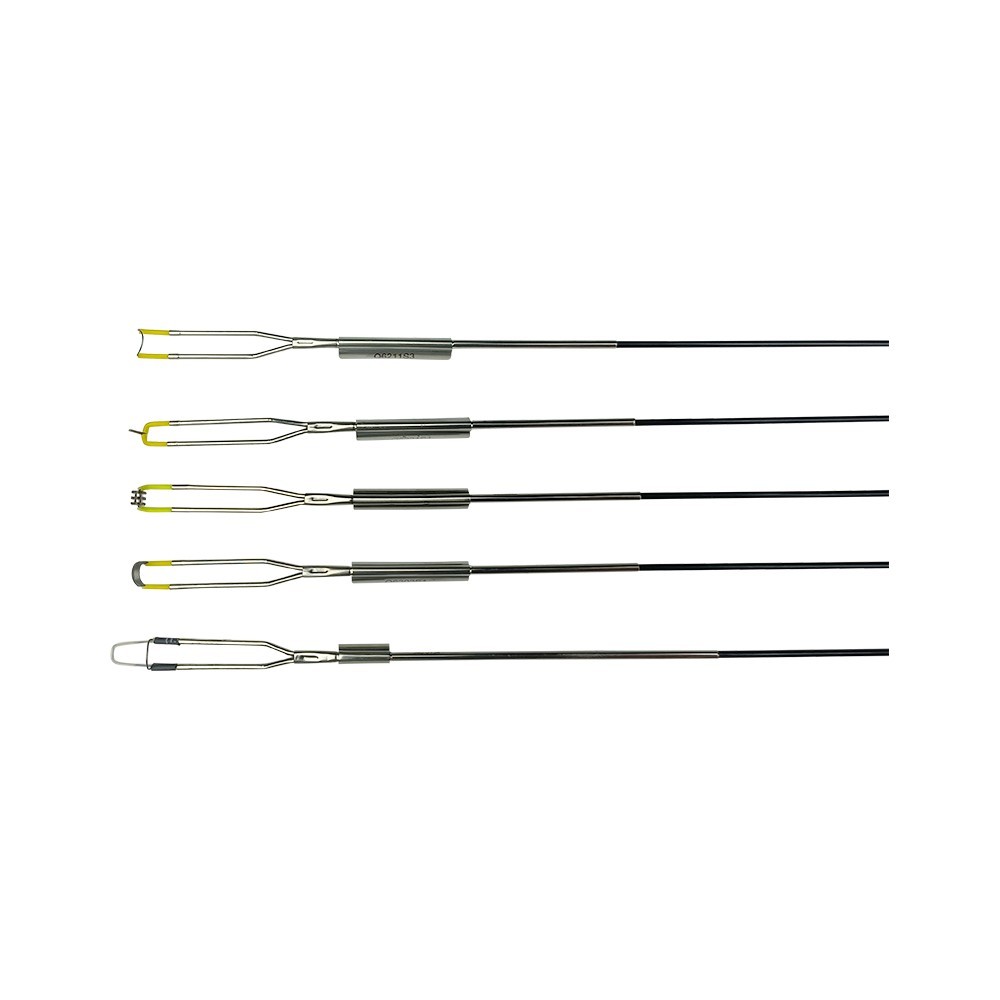
Our extensive catalog ensures that urologists have the exact geometry required for any anatomical challenge. From standard 90° Thin Loops that yield clean, pathologically perfect tissue chips, to aggressive Rollerballs and Plasma Strips designed for massive adenoma debulking and pinpoint hemostasis, our electrodes guarantee smooth gliding without “tissue sticking” or carbonization.
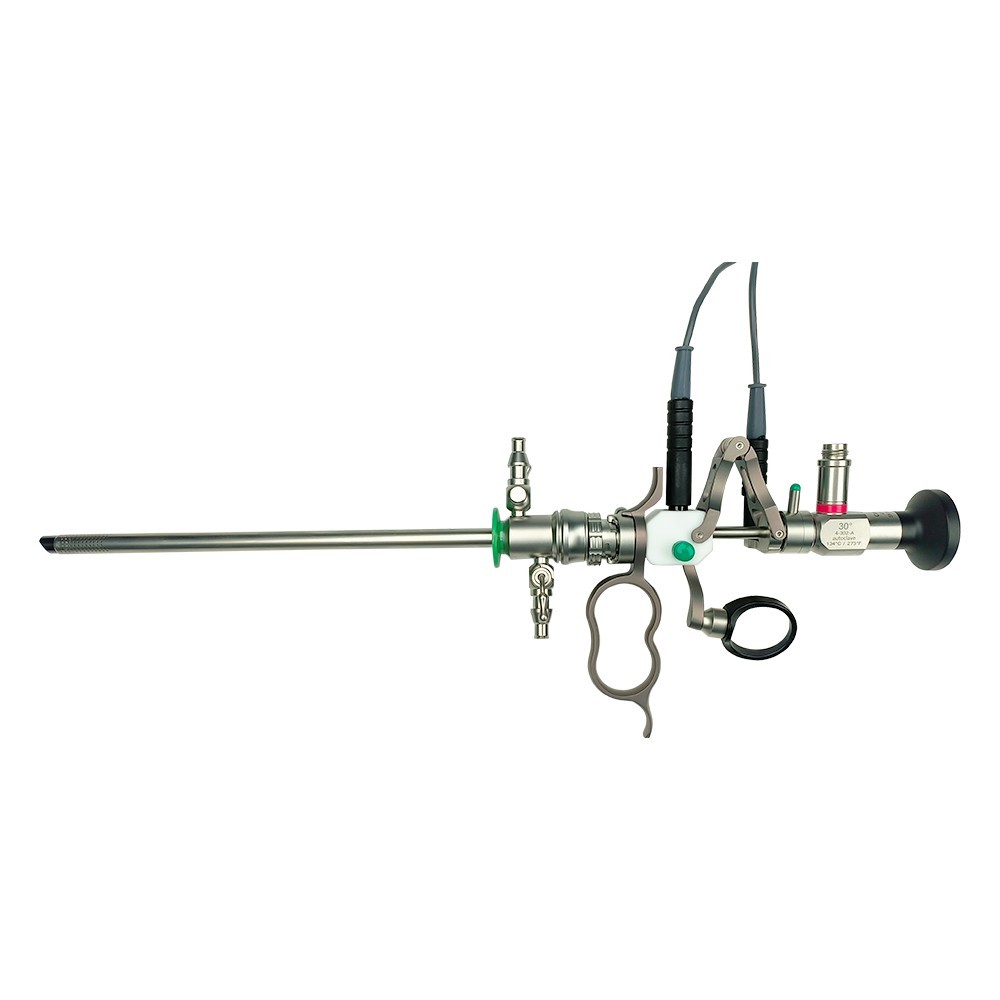
A Fully Matched Ecosystem: Proper electrode sizing is vital to prevent sheath damage and ensure optimal fluid flow. Every Camjoy electrode is mathematically scaled to match specific instrument platforms within our Rigid Resectoscope Series, perfectly accommodating everything from robust 27Fr adult sheaths to ultra-slim 18.5Fr pediatric/miniature pathways.
Why Choose Camjoy Electrodes?
- ✔ High-Tensile Tungsten Wire: Resists deformation under high-heat cutting, maintaining its perfect arch throughout the procedure.
- ✔ Advanced Ceramic Forks: High-dielectric insulation prevents stray currents from arching to the outer sheath or the optical lens.
- ✔ Dual-Energy Readiness: Comprehensive ranges available for traditional Monopolar (Glycine) and advanced Bipolar (Saline) environments.
- ✔ Plug-and-Play Integration: Locks instantly into our Active and Passive working elements for zero-wobble precision.
Electrode Geometries & Clinical Applications
1. Standard & Thick Loops (90°)
The workhorse of Urology. Thin loops focus the RF energy for razor-sharp, fast cuts that preserve cellular structure for histology. Thick loops distribute energy wider, offering simultaneous cutting and enhanced margin coagulation.
2. Rollerballs & Vaporization Rollers
Designed purely for hemostasis and rapid debulking. The cylindrical/spherical surfaces roll over the prostatic bed, sealing bleeding vessels instantly. Ideal when paired with the CY802 Plasma Generator.
3. Needles & Knives (0° / 90°)
Precision tools for targeted incisions. Used for Bladder Neck Incisions (BNI), treating severe urethral strictures, or unroofing ureteroceles. Delivers highly concentrated energy to a pinpoint location.
📊 Comprehensive Electrode Ordering Guide
Match your electrodes to your existing Camjoy Urology Instruments. Note our smart coding: Code ending in ‘1’ = Monopolar | Code ending in ‘2’ = Bipolar.
| Matched Resectoscope Series | Monopolar Electrodes (End in -1) | Bipolar Electrodes (End in -2) |
|---|---|---|
| I. Dual-Energy BRS108 Series (Interchangeable Platforms) | ||
| BRS108A1 / A2 (26Fr Standard) | C8111 (Thin Loop), C8121 (Thick Loop), C8131 (Needle), C8141 (0° Loop), C8151 (Knife), C8161 (Coag), C8171 (Rollerball), C8181 (Strip), C8191 (Roller) | C8112 (Thin Loop), C8122 (Thick Loop), C8132 (Needle), C8142 (0° Loop), C8152 (Knife), C8162 (Coag), C8172 (Rollerball), C8182 (Strip), C8192 (Roller) |
| BRS108B1 / B2 (24Fr Slim) | C8211 (Thin Loop), C8221 (Thick Loop), C8231 (Needle), C8241 (0° Loop), C8251 (Knife), C8261 (Coag), C8271 (Rollerball), C8281 (Strip), C8291 (Roller) | C8212 (Thin Loop), C8222 (Thick Loop), C8232 (Needle), C8242 (0° Loop), C8252 (Knife), C8262 (Coag), C8272 (Rollerball), C8282 (Strip), C8292 (Roller) |
| BRS108C1 / C2 (22.5Fr Ultra-Slim) | C8311 (Thin Loop), C8321 (Thick Loop), C8331 (Needle), C8341 (0° Loop), C8351 (Knife), C8361 (Coag), C8371 (Rollerball), C8381 (Strip), C8391 (Roller) | C8312 (Thin Loop), C8322 (Thick Loop), C8332 (Needle), C8342 (0° Loop), C8352 (Knife), C8362 (Coag), C8372 (Rollerball), C8382 (Strip), C8392 (Roller) |
| BRS108M1 / M2 (18.5Fr Mini) | C8411 (Thin Loop), C8421 (Thick Loop), C8431 (Needle), C8441 (0° Loop), C8451 (Knife), C8461 (Coag), C8471 (Rollerball), C8481 (Strip), C8491 (Roller) | C8412 (Thin Loop), C8422 (Thick Loop), C8432 (Needle), C8442 (0° Loop), C8452 (Knife), C8462 (Coag), C8472 (Rollerball), C8482 (Strip), C8492 (Roller) |
| II. Click-Locked Dual-Energy Series (BRS107) | ||
| BRS107A / B (26.5Fr Adult) *Titanium & Plastic Handle Series |
C7111 (Thin Loop), C7121 (Thick Loop), C7131 (Needle), C7141 (0° Loop), C7151 (Knife), C7161 (Coag), C7171 (Rollerball), C7181 (Strip), C7191 (Roller) | C7112 (Thin Loop), C7122 (Thick Loop), C7132 (Needle), C7142 (0° Loop), C7152 (Knife), C7162 (Coag), C7172 (Rollerball), C7182 (Strip), C7192 (Roller) |
| III. Dedicated Bipolar / Plasma Resectoscopes | ||
| BRS109 Series (26Fr) Strictly Bipolar Architecture |
N/A (System is strictly Bipolar) | C9012 (Thin Loop), C9122 (Thick Loop), C9132 (Needle), C9142 (0° Loop), C9152 (Knife), C9162 (Coag), C9172 (Rollerball), C9182 (Strip), C9192 (Roller) |
| BRS106 Series (Plasma) Advanced Plasma Cutting |
N/A | C6011 (Bipolar Plasma Loop Electrode) |
| IV. Dedicated Monopolar Resectoscopes | ||
| MRS104 Series (26Fr) | C4011 (Standard Loop), C4012 (Roll Cutting), C4013 (Spade-Style), C4014 (Needle-Type) | N/A |
| MRS103 Series (27Fr) | C3011 (Standard Loop), C3012 (Roll Cutting), C3013 (Spade-Style), C3014 (Needle-Type), C3015 (Tumour Loop) | N/A |
❓ Clinical FAQ: Selecting the Right Electrode
Maintain Peak Surgical Performance
Stock your OR with Camjoy’s highly durable, precision-engineered TURP & TURBT Electrodes.
Request a Consumables Quote
Provide your resectoscope model below, and our team will quote you the exact matching Surgical Accessories Portfolio items.