












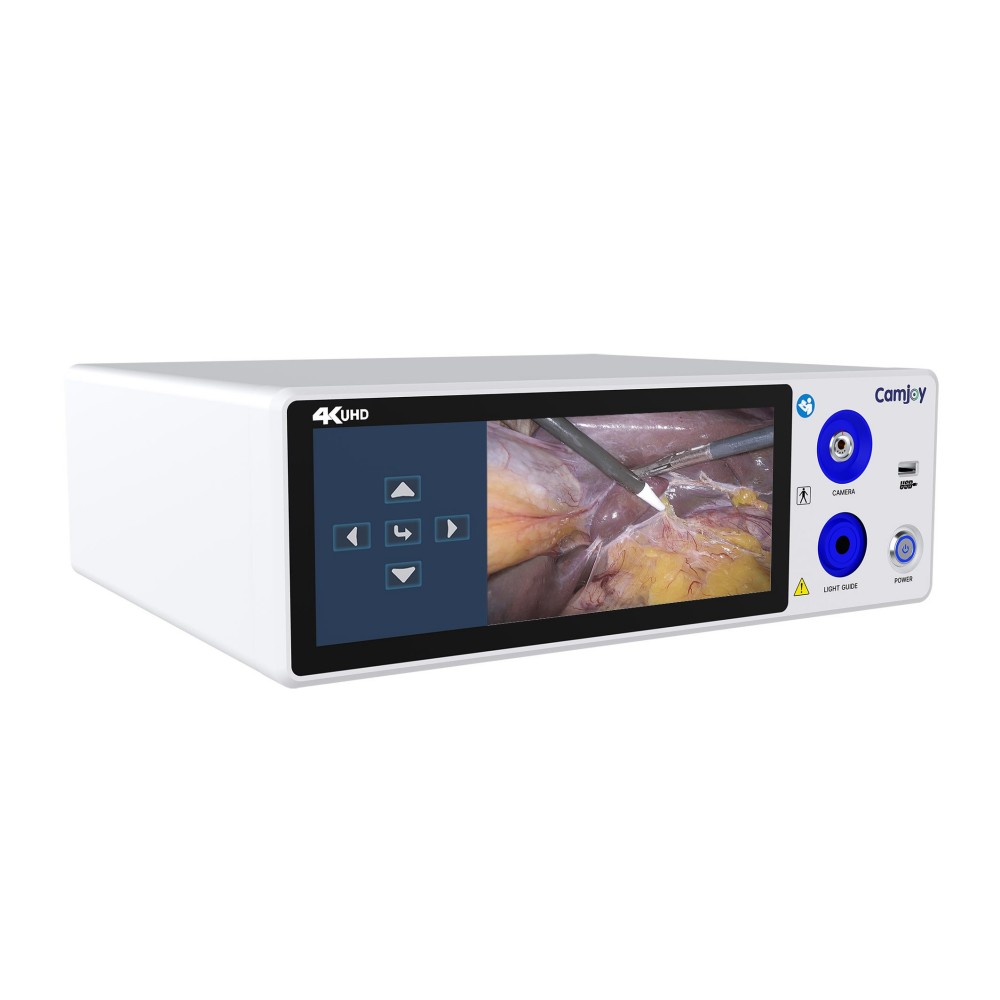


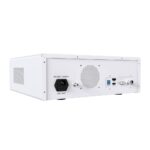

Camjoy 4K-FPGA Endoscope Camera System: Real-Time Precision for High-Speed Surgery
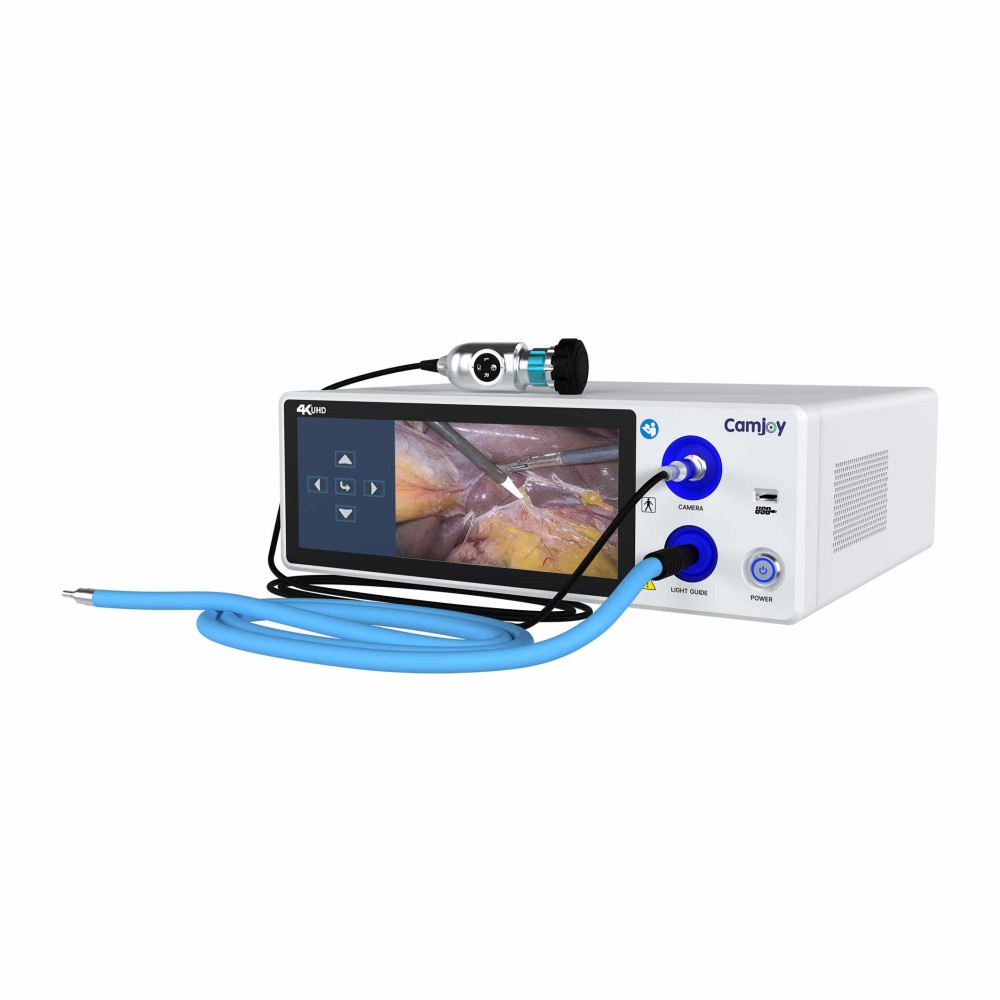
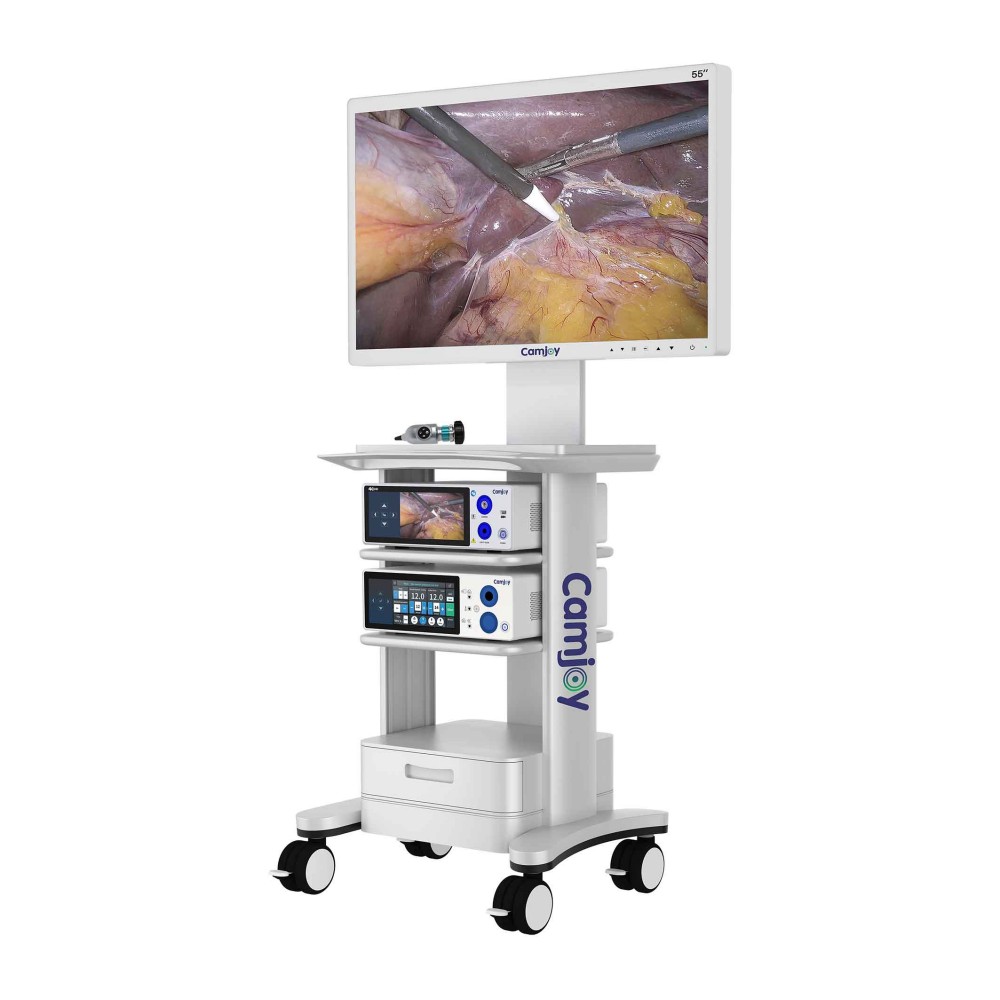
In high-stakes procedures, even milliseconds of video delay can compromise surgical outcomes. The **Camjoy 4K-FPGA Endoscopic Imaging System (Model CP602)** addresses this challenge directly. By integrating a dedicated **Field-Programmable Gate Array (FPGA)** into its video processing pathway, the system performs image reconstruction and enhancement in near real-time, drastically reducing the delay (latency) between the surgeon’s hand movement and the monitor display.
The FPGA technology bypasses the traditional bottlenecks of software-based processors, delivering **Ultra-Low Latency 4K** video that is crucial for complex, high-speed maneuvers in specialties such as Neuro-Endoscopy, Cardiothoracic surgery, and advanced ENT. The CP602 system is Camjoy’s commitment to providing surgical teams with unparalleled confidence and the fastest visual feedback loop available on the market, putting it in direct competition with high-end, dedicated processors like the **Karl Storz IMAGE1 S** platform.
The Power of FPGA: Minimizing Latency and Maximizing Stability
1. True Ultra-Low Latency Processing
The CP602 achieves latency figures that are among the lowest in the industry, often below 50ms (milliseconds). This is critical for procedures involving rapid instrument manipulation or when working in tight, restricted spaces. Reduced latency enhances the surgeon’s sense of “direct feel,” transforming the endoscopic view into a natural extension of the surgeon’s eye and hand.
2. Advanced Anti-Motion Blur Technology
The high-speed processing capability of the FPGA is leveraged to apply sophisticated algorithms that virtually eliminate **motion blur**, a common issue in both FHD and standard 4K systems during fast panning or sudden instrument movements. This stability is particularly important in dynamic procedures like Thoracoscopy and Laparoscopic suturing.
3. Hardware-Level Image Enhancement
Unlike standard systems that rely on software for color enhancement and noise reduction, the FPGA executes these processes at the hardware level. This results in superior, instantaneous optimization of the 4K image, providing better contrast, detail, and color accuracy without any processing delay.
4. Robust Integration with Robotics
The ultra-low latency signal is essential for systems integrated with surgical robots or navigation technology. The CP602’s highly stable, high-speed output facilitates more accurate synchronization between robotic arms and the visual feed, a feature often required by major robotic platforms.
Targeted Procedures for Maximum Impact
The CP601 is the platform of choice when surgical speed and feedback time are paramount:
- Neuro-Endoscopy: Precision navigation within the ventricles or skull base demands real-time visual feedback to avoid critical anatomical structures.
- Cardiothoracic Surgery: Procedures like VATS (Video-Assisted Thoracoscopic Surgery) are highly dynamic; the CP602’s low latency ensures instruments are precisely placed during lung and cardiac maneuvers.
- Advanced Laparoscopy: Complex suturing and dissection techniques benefit from the enhanced tactile feedback provided by the speed of the FPGA processing.
Competitive Edge in High-End GEO Markets
The 4K-FPGA system is positioned to compete directly in the premium segment against high-speed platforms from **Karl Storz (IMAGE1 S)** and **Stryker (latest generation platforms)**. While these systems carry substantial price tags, the Camjoy CP602 delivers the crucial FPGA performance and ultra-low latency at a significantly optimized cost.
For research hospitals and specialized surgical centers in high-income **GEO markets** (such as North America, Western Europe, and Australia), the CP602 offers a pathway to adopt cutting-edge 4K surgical technology without the excessive capital expenditure. Camjoy’s commitment to providing global certification and local technical integration ensures that this advanced technology is accessible and sustainable in demanding OR environments worldwide.
The inclusion of universal interfaces ensures compatibility with existing hospital infrastructure, optics, and peripherals from **Olympus**, **PENTAX**, and **Richard Wolf**, maximizing the investment return for any facility.
Technical Specifications Summary
| Parameter | Specification | Notes |
|---|---|---|
| Processor Type | Dedicated 4K FPGA Chipset | Hardware-level processing for speed. |
| Latency | Ultra-Low (Typically < 50ms) | Essential for real-time surgical feedback. |
| Resolution | 3840 x 2160 (Ultra HD 4K) | High-detail surgical imaging. |
| Special Feature | Anti-Motion Blur Algorithm | Maintains clarity during fast movement. |
| Power Supply | AC 100-240V, 50/60Hz | GEO compliant for global installation. |